Social History
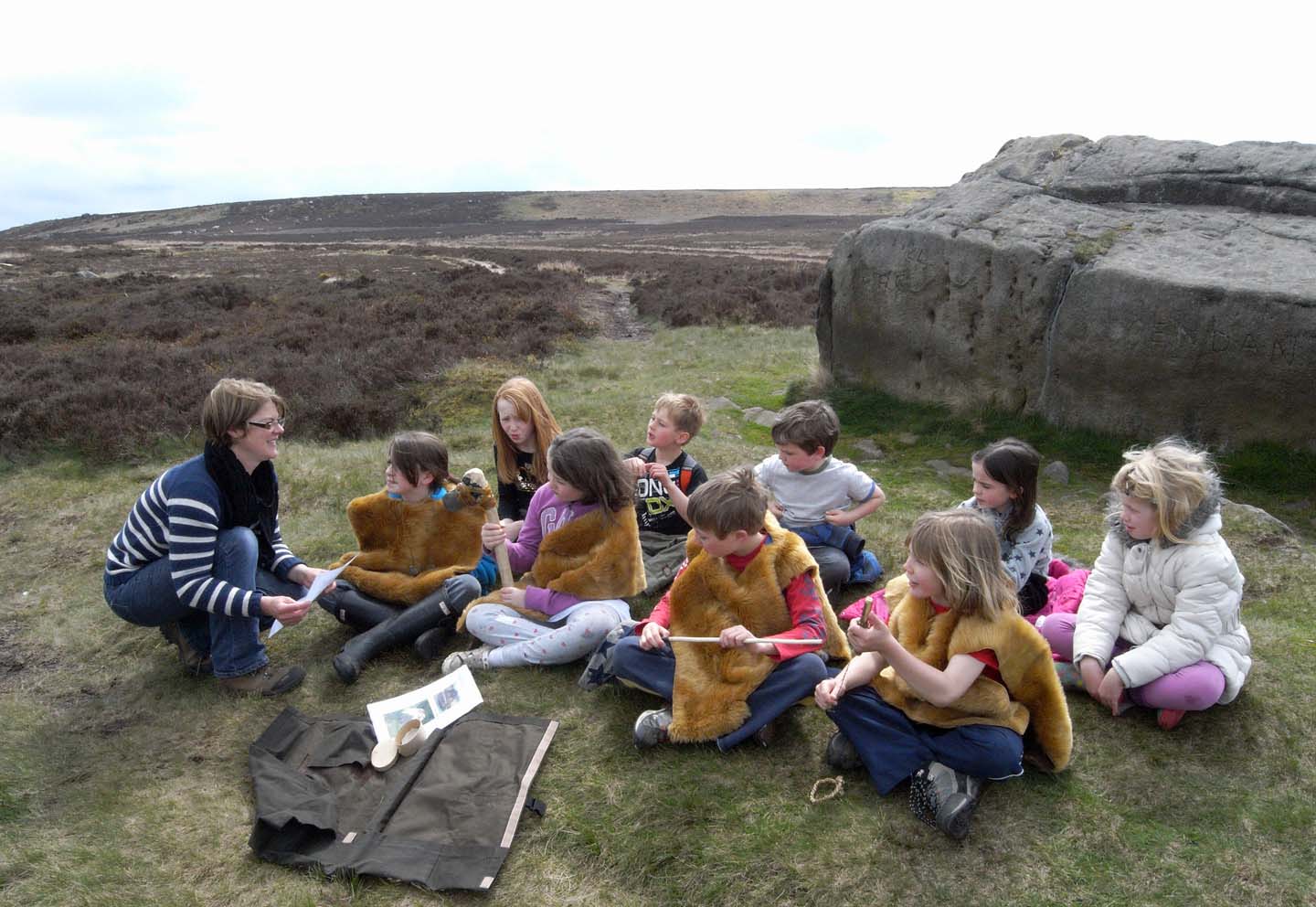
From the Stone Age people lived on the Moor for thousands of years. There were many trees there then but by the Bronze Age c2500BC the inhabitants were clearing these away. The trees we see now mainly date from the early 1900s.
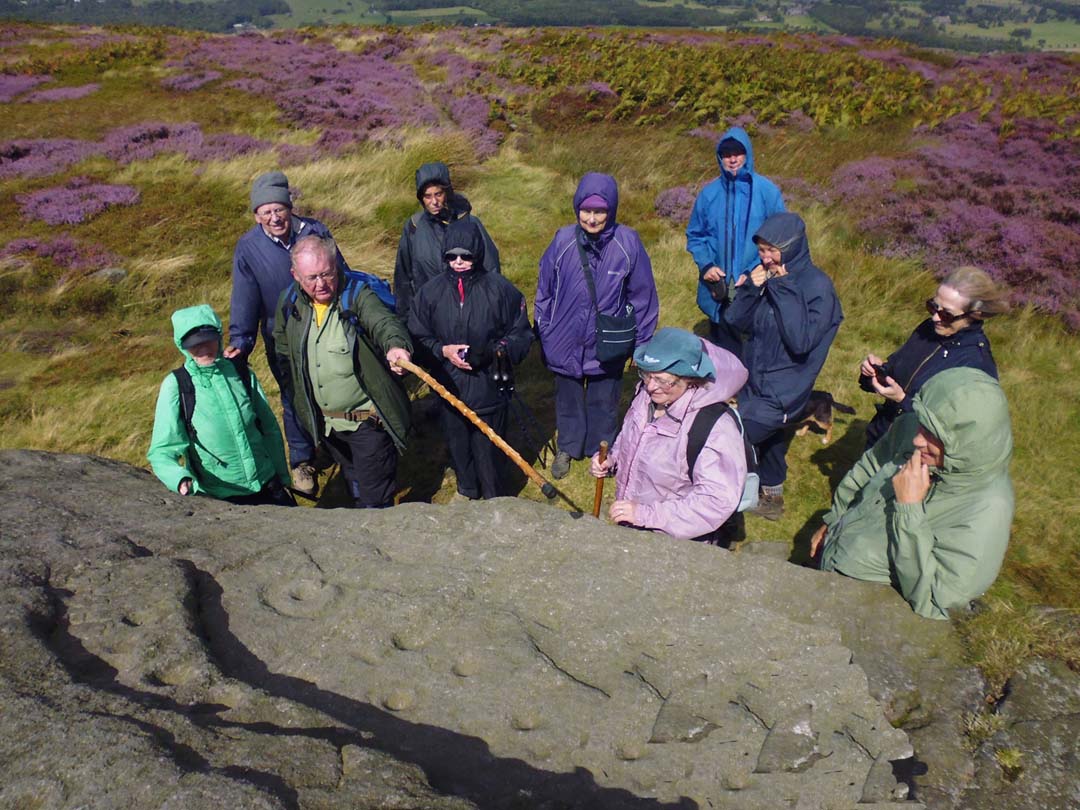
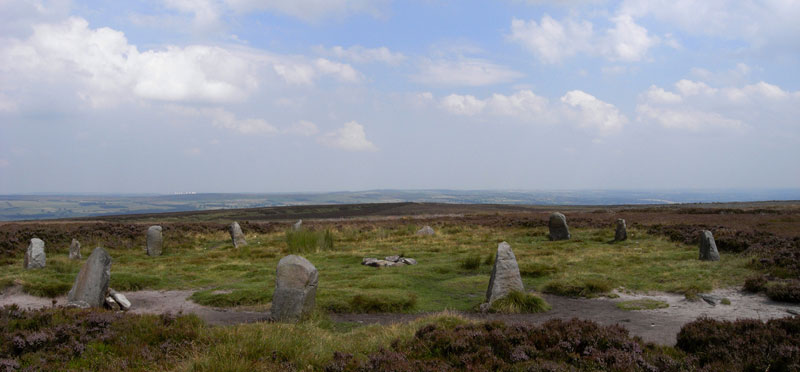
The people farmed the land. They had settlements such as the one high up on Backstone Beck where they lived in round huts in rough stone enclosures. They used the grit stone they found on the Moor to make records which are still there. We call them cup and ring stones. What they recorded, nobody knows. There are such stones all over the moor – an unusually high concentration. Several have received evocative names such as the Idol, the Haystack and perhaps best known the Swastika stone.
Cultivating the moor, looking down on the river Wharfe to the north and the ford across the river, people lived according to the seasons. They made the footpaths which we follow today. By the Iron Age, the Brigantes lived here. They were hardy hill folk who were renowned for their horses. They will have watched other people arriving in the valley: the Romans in c AD79 who established a fort to cover the river crossing, then the Angles who built the first church in the remains of the fort. Then came the Danes and the Normans, who in 1069 laid the valley waste – to be repopulated probably from Lancashire. By then the people of the Moor had come down and it has not since been inhabited on any large scale. Animal farming continued with the cows going up to pasture and the sheep roaming freely as they do today.
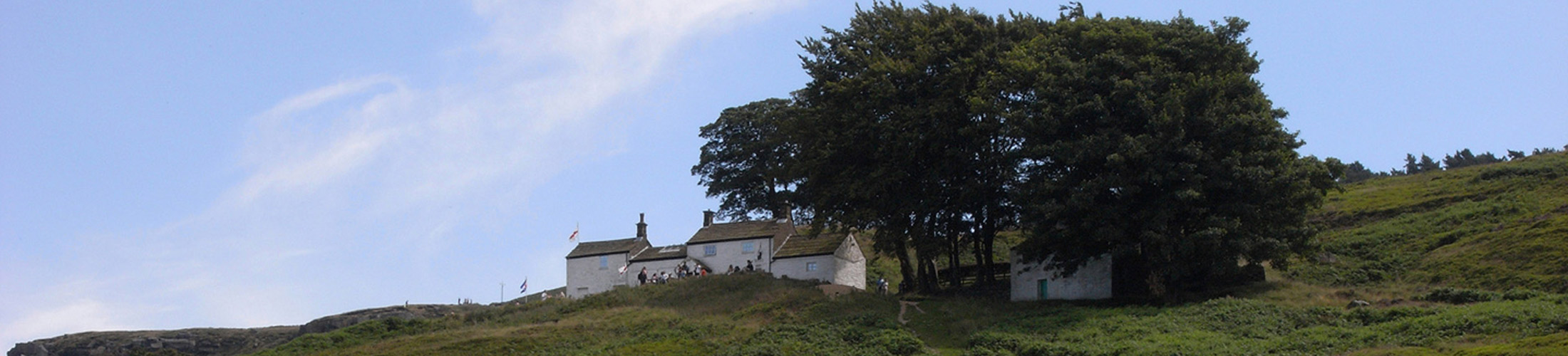
Activity on the moor for the next millennium was driven largely by the needs of the small community of Ilkley. Roads and packhorse ways developed to connect it with the wool towns of the West Riding. Quarries were dug to provide the stones to build the houses and hotels. The streams were harnessed to power the corn mills on Mill Ghyll. The springs which were the sources of the streams were used for health starting with White Wells in the late 1700s and moving on to the hydrotherapy institutions which began to dot the moor’s northern slopes.
With the arrival of the water cures and the need for visitor activity in the Victorian era the aesthetic side came to the fore. Ilkley became “the Heather Spaw.” People fell in love with the scenery, the splashing streams, the heather, the mysterious rocks and the pure, fresh air.
The local Council oversaw the creation of the Tarn and footpaths to take people up into the Moor to enjoy its wild spaces. They walked up to the Tarn and beyond, or were ferried on donkeys from the town centre to White Wells. The popularity of the Moor increased further from 1865 when the railway arrived. The seal on the relationship between Ilkley and its Moor was set in 1893 when the Urban District Council bought the Moor so that people would always have it to enjoy.
The Moor has celebrity associations. Charles Darwin and his family visited in 1859. This was ostensibly for hydrotherapy but it was at the time of the publication of Origin of Species – he was avoiding the controversy which he knew would follow. The Darwin Gardens Millennium Green on land at the top of Wells Road commemorates that connection. The writers GK Chesterton and JB Priestley got to know the Moor well and both were inspired in their writing from what they found here.
Before the First World War the Moor was regularly a venue for manoeuvres by territorial units from their summer camps on the Wharfe. Manoeuvres came again with the Second World War.
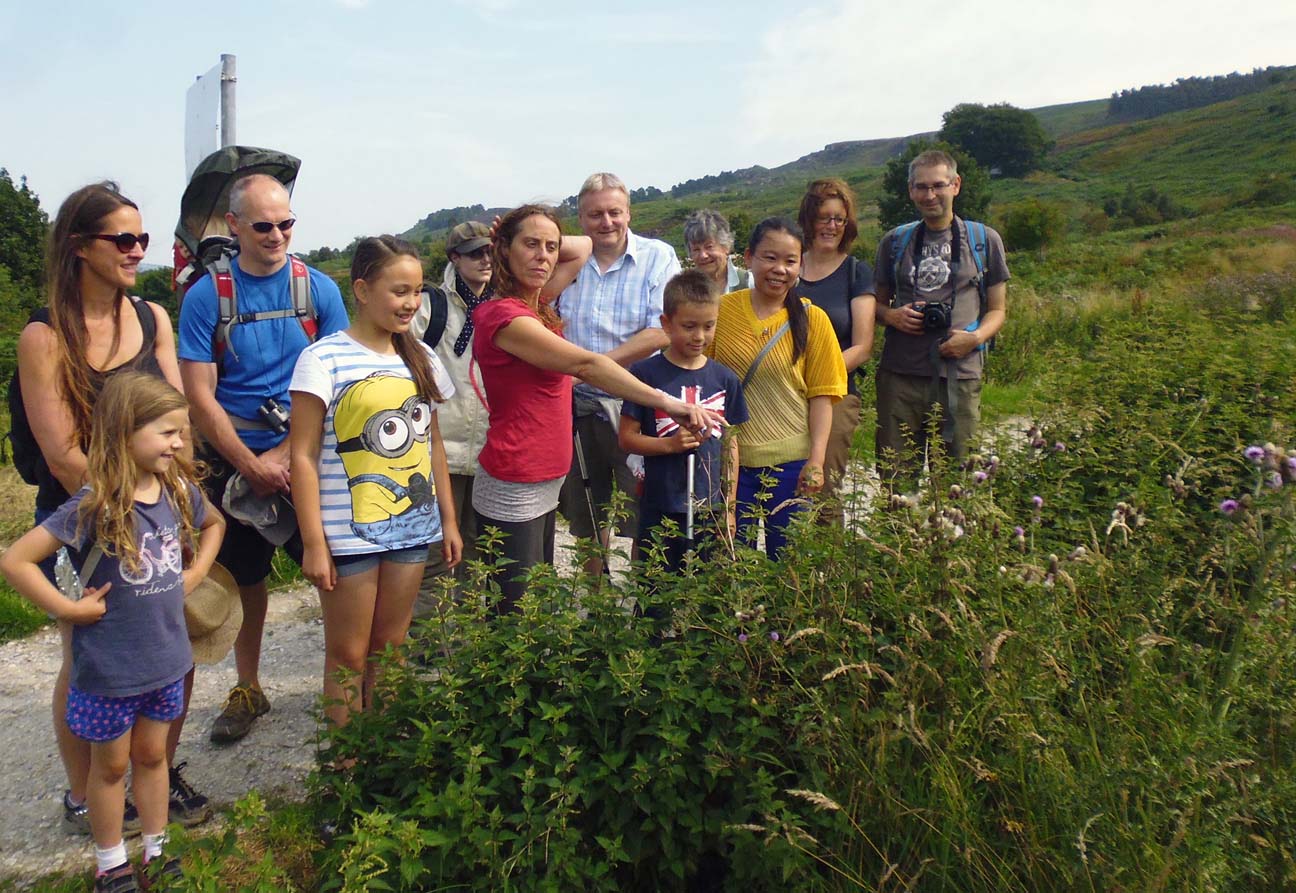
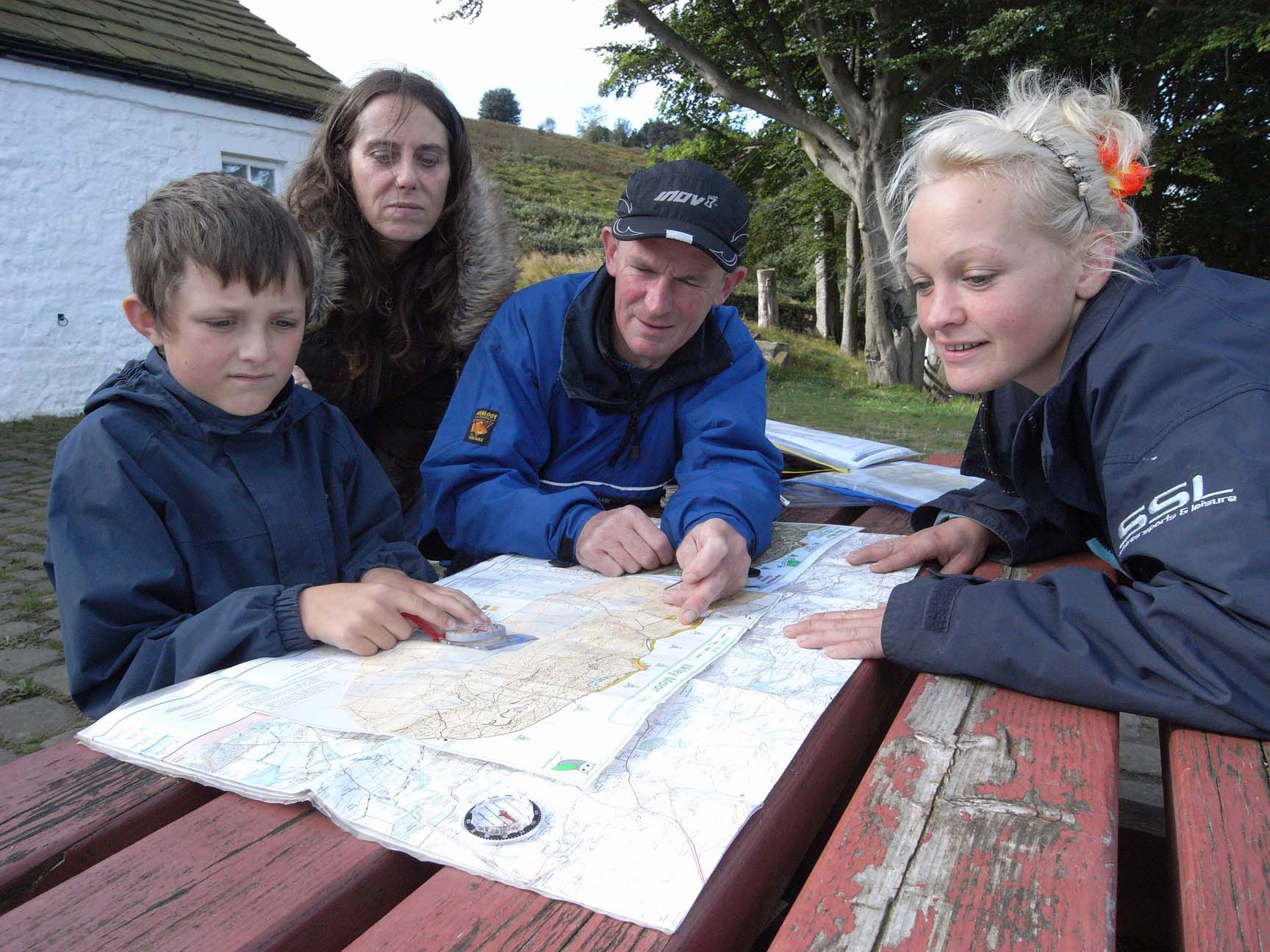
Today people still use the moor for walking and horse riding but activities have widened. Each year begins with the New Year’s Day dip at White Wells. After that comes the fell run and the spring flowers. The Summer is the great time for tourism and in Autumn comes the attraction of the heather, the Moor’s great glory, and bilberries for gathering.
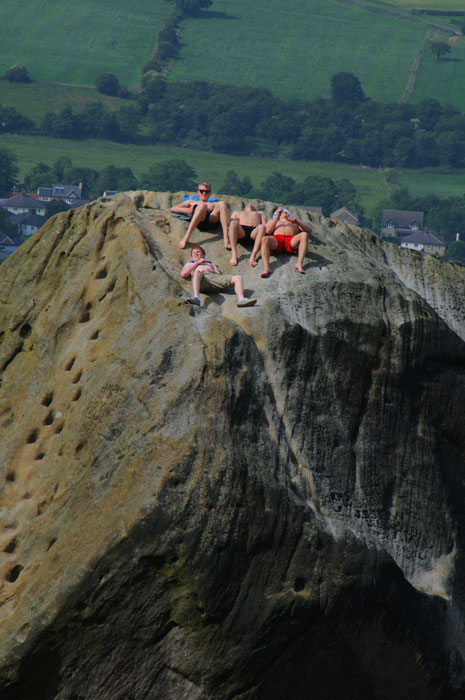
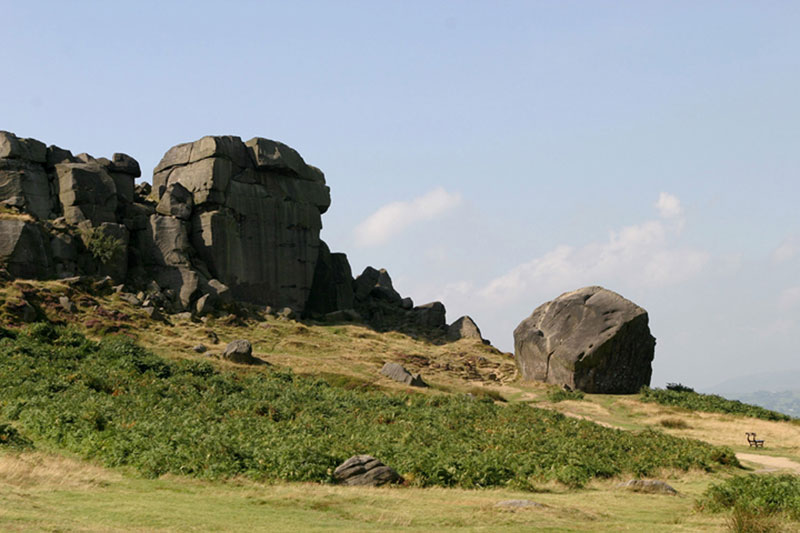
The Moor is a great place for relaxation and a perfect platform to look out over Wharfedale – especially on Bonfire Night. The rocks are a also fine vantage point for watching the skies: the 1999 eclipse attracted many people Although no one lives here now, people still love to be involved with the Moor and its rocks. The symbol we so often use for Ilkley is the Cow and Calf.
For more information about the history of people on the Moor visit the Local History Gallery at the Manor House museum in Ilkley: http://www.bradfordmuseums.org/manorhouse/index.htm